Correct option:
SSE-KMS
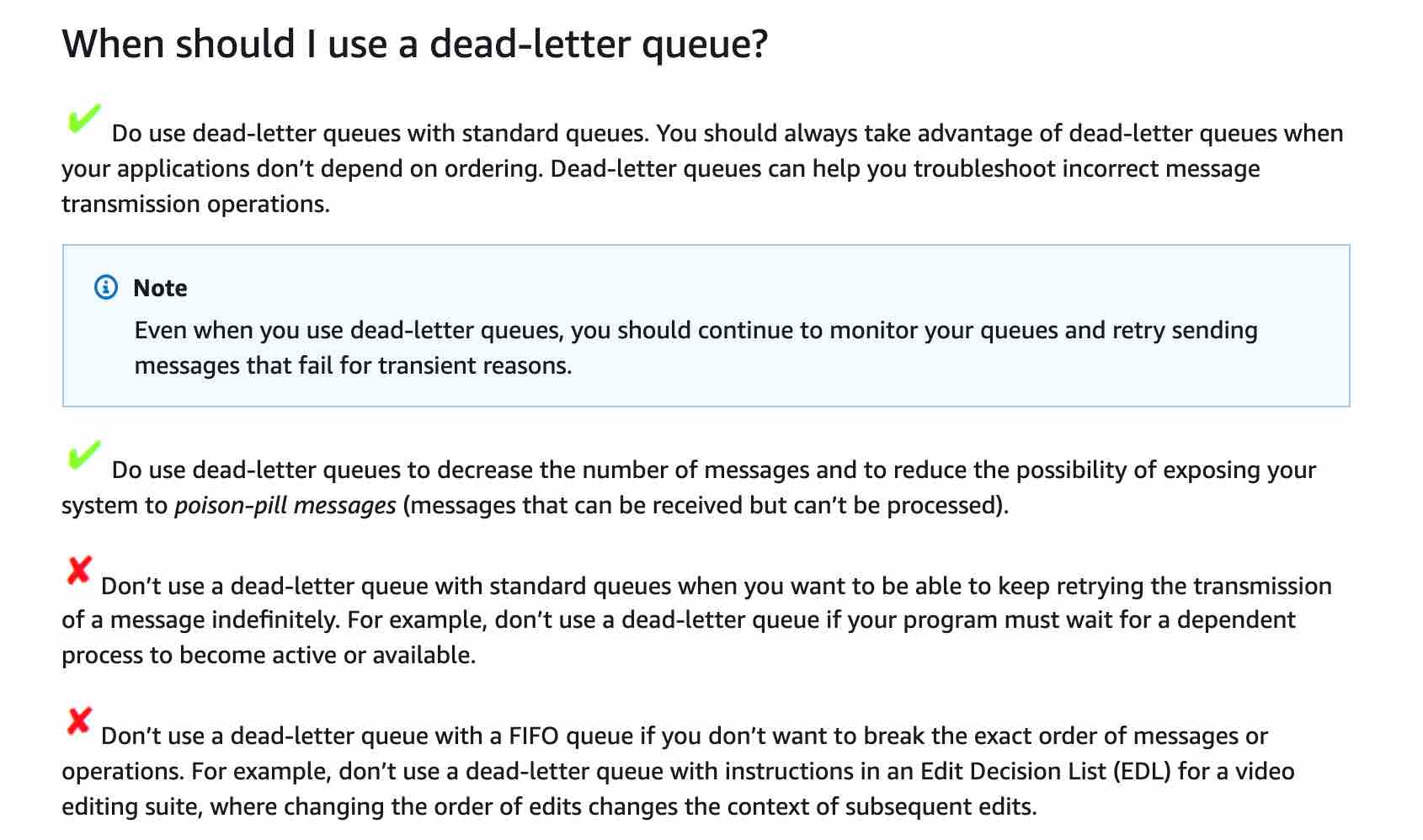
You have the following options for protecting data at rest in Amazon S3:
Server-Side Encryption – Request Amazon S3 to encrypt your object before saving it on disks in its data centers and then decrypt it when you download the objects.
Client-Side Encryption – Encrypt data client-side and upload the encrypted data to Amazon S3. In this case, you manage the encryption process, the encryption keys, and related tools.
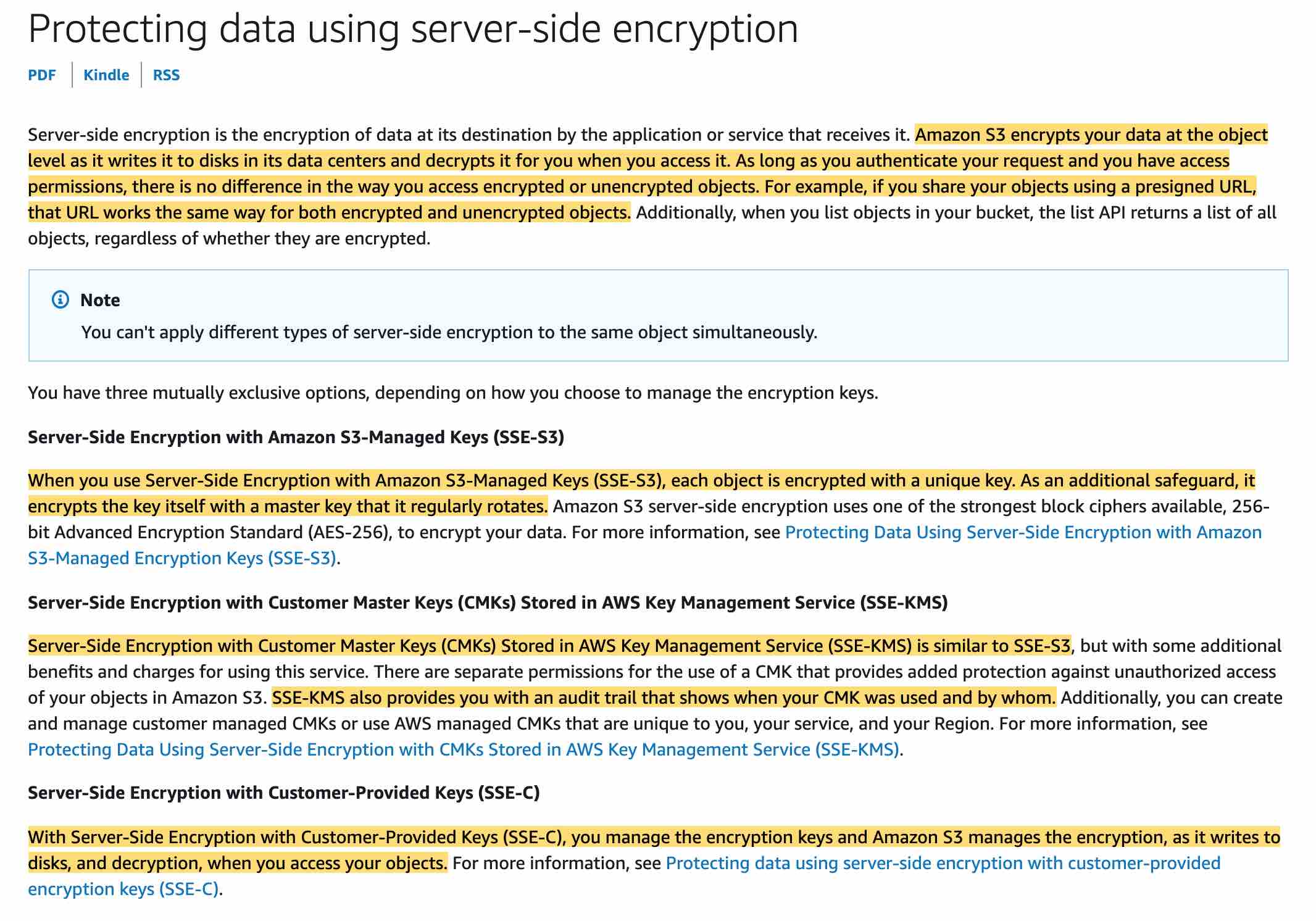
Server-Side Encryption with Customer Master Keys (CMKs) stored in AWS Key Management Service (SSE-KMS) is similar to SSE-S3. SSE-KMS provides you with an audit trail that shows when your CMK was used and by whom. Additionally, you can create and manage customer-managed CMKs or use AWS managed CMKs that are unique to you, your service, and your Region.
Please review these three options for Server Side Encryption on S3:
via - https://docs.aws.amazon.com/AmazonS3/latest/dev/serv-side-encryption.html
Incorrect options:
SSE-C When retrieving objects encrypted server-side with SSE-C, you must provide the same encryption key as part of your request. Amazon S3 first verifies that the encryption key you provided matches, and then decrypts the object before returning the object data to you
Client-Side Encryption - You can encrypt the data client-side and upload the encrypted data to Amazon S3. In this case, you manage the encryption process, the encryption keys, and related tools.
SSE-S3 - When you use Server-Side Encryption with Amazon S3-Managed Keys (SSE-S3), each object is encrypted with a unique key. As an additional safeguard, it encrypts the key itself with a master key that it regularly rotates. So this option is incorrect.
Reference:
https://docs.aws.amazon.com/AmazonS3/latest/dev/serv-side-encryption.html