Correct Answer: A
How to include additional client data?
In case you need to store additional details about a client that don't fit into the standard parameter set the custom data parameter comes to help:
POST /c2id/clients HTTP/1.1 -
Host: demo.c2id.com -
Content-Type: application/json -
Authorization: Bearer ztucZS1ZyFKgh0tUEruUtiSTXhnexmd6
{
"redirect_uris" : [ "https://myapp.example.com/callback" ],
"data" : { "reg_type" : "3rd-party",
"approved" : true,
"author_id" : 792440 }
}
The data parameter permits arbitrary content packaged in a JSON object. To set it you will need the master registration token or a one-time access token with a client-reg:data scope.
Incorrect Answers:
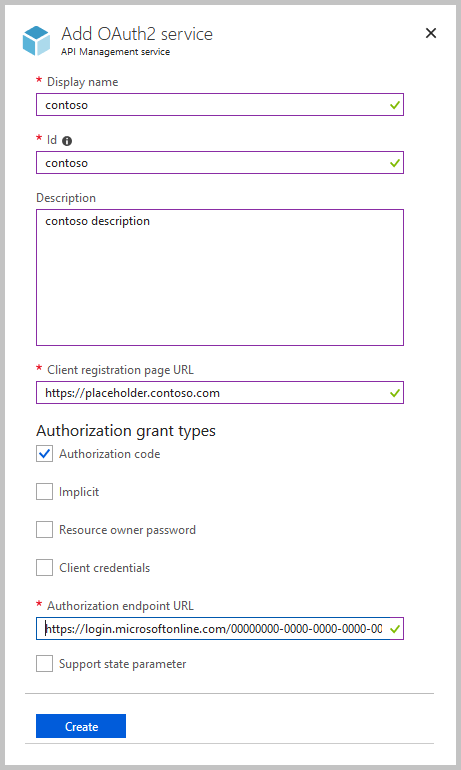
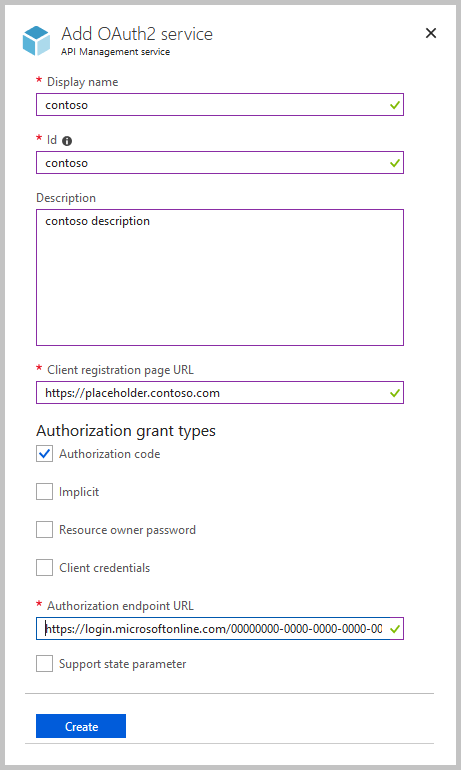
B. Resource owner password
The resource owner password credentials grant workflow allows for the exchanging of the user name and password of a user for an access token. When using the resource owner password credentials grant, the user provides the credentials (user name and password) directly to the application.
C. Support state parameter
Authorization protocols provide a state parameter that allows you to restore the previous state of your application. The state parameter preserves some state object set by the client in the Authorization request and makes it available to the client in the response.
Reference:
https://connect2id.com/products/server/docs/guides/client-registration
https://docs.microsoft.com/en-us/azure/api-management/api-management-howto-oauth2
https://connect2id.com/products/server/docs/guides/client-registration#example-client-credentials-grant